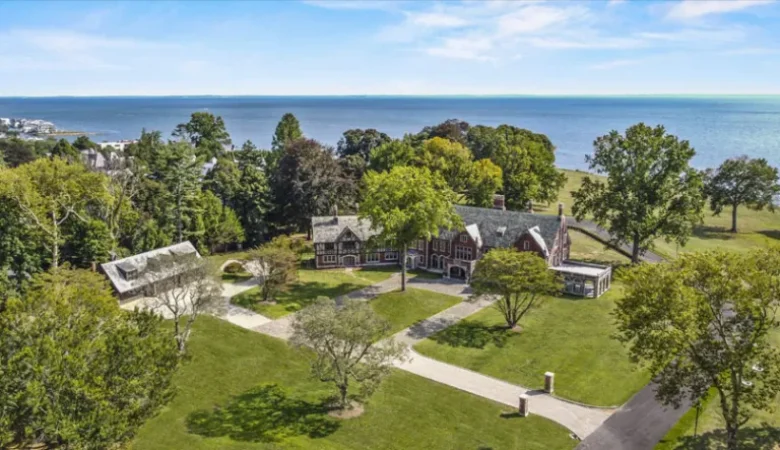




Manicured grounds can fail quietly through missed timing, poor access control, and uneven oversight. A luxury estate needs outdoor stewardship that protects presentation, privacy, and daily operations.
Contact The Calendar Group to speak with an estate staffing expert today.
Groundskeeper staffing for luxury estates means hiring a skilled outdoor property professional who manages the estate’s full exterior standard, not simply lawns, plantings, or seasonal cleanup. It sets one accountable professional over seasonal calendars, daily inspections, irrigation checks, exterior readiness, and prompt reporting when a property needs specialist attention. That person also coordinates approved vendors, adjusts routines around arrivals and events, and respects security protocols wherever family life meets exterior access. For high-profile properties, discretion and security awareness are central staffing requirements, with exterior access requiring exceptional judgment, according to The Calendar Group. The strongest fit balances technical judgment, calm communication, and the chemistry needed to work within an established estate team over time.
The practical issue is deciding what the groundskeeper owns, what specialists support, and how the role fits the household’s rhythm. That decision becomes clear in Groundskeeper staffing for luxury estates starts with scope, where responsibility is defined before the search begins. Here’s how.
Groundskeeper staffing for luxury estates starts with scope
Groundskeeper staffing for luxury estates starts with a clear brief for the full outdoor setting, not a list of garden chores. The role may cover lawns, key plantings, arrival areas, terraces, pools, courts, lighting checks, and event-ready presentation. It should also define discretion, access rules, and work with the household team.
The standard of care
An estate groundskeeper maintains a lived-in property to a consistent visual and practical standard. That means knowing which areas must look formal each day and which need seasonal care. For families building a private household staffing plan, the exterior is part of household operations, not a stand-alone garden project.
Equipment use belongs in that scope. Mowers, blowers, and trimmers affect work windows, storage, maintenance, and safety planning. A proper brief names tools, storage, care duties, and safety needs before interviews begin.
Outdoor amenities and the calendar
Luxury grounds extend beyond planting beds. List each area the person may touch: pool surrounds, fountains, tennis courts, guest paths, service drives, patios, and outdoor kitchens. The brief should state whether vendors handle water systems, hardscape repairs, tree care, or snow removal.
The property’s use calendar changes the assignment. A home prepared for family weekends, summer guests, or formal events calls for timed inspections. It also requires careful vendor coordination. Note travel periods, entertaining seasons, quiet hours, pet routes, and any zones with restricted access.
Details in the hiring brief
A useful hiring brief makes expectations easy to test during selection. It should describe:
- The property layout, finish standard, priority views, and key outdoor assets.
- Seasonal tasks, daily presentation checks, event preparation, and storm response.
- Equipment, vehicles, vendor relationships, reporting lines, and security procedures.
- Working hours, residence schedules, privacy rules, and work with other staff.
The brief should also name reporting lines. An estate manager may need updates on irrigation issues, damaged hardscape, or vendor arrivals. Prompt attention may be needed before guests arrive.
This is more exacting than general gardening work, which may focus on planting, pruning, and routine upkeep. Estate service adds presentation standards, access boundaries, vendor oversight, and calm work around private life. When the scope is precise, candidates can be judged against the property’s real needs.
What does a luxury estate groundskeeper oversee?
A luxury estate groundskeeper oversees the daily condition, readiness, and privacy of the property’s outdoor areas. The role covers routine inspections, landscape upkeep, equipment use, service access, and clear reporting to the estate leader. It does not replace licensed trades or owner-level decisions.
Daily outdoor stewardship
The groundskeeper keeps outdoor spaces orderly, functional, and ready for use. This may include lawns, plant beds, paths, terraces, drives, gates, lighting checks, irrigation observations, and seasonal clean-up. A careful professional also notices damage, leaks, fallen limbs, or access concerns early.
For groundskeeper staffing for luxury estates, the scope should match how the property is used. A full-time residence, seasonal home, and larger property portfolio may each need a different routine. This is part of coordinating staff across multiple properties.
Role boundaries and coordination
A groundskeeper may identify a concern and prepare the site for service. A trained vendor should handle work that needs licensed skill, special tools, or added risk controls. The estate manager or principal approves changes that affect cost, design, security, or property use.
| Area. | Daily groundskeeper oversight. | Specialist vendor work. | Estate-manager approval. |
|---|---|---|---|
| Landscape condition. | Inspect, water, trim, and record needs. | Major tree work or treatment plans. | Large redesign or removal. |
| Irrigation and drainage. | Watch zones and note faults. | Repair controls, pipes, or pumps. | System changes or new installation. |
| Hardscape and access. | Keep paths clear and inspect surfaces. | Repair stone, paving, or gates. | Capital repair plan. |
| Outdoor systems. | Flag visible issues promptly. | Electrical, pool, or mechanical service. | Vendor selection and spend. |
| Privacy and arrival routines. | Follow access and reporting rules. | Install or maintain security systems. | Set access policy. |
The clearest boundary is simple: observe, maintain, communicate, and coordinate within the assigned scope. The groundskeeper should know which vendors may enter exterior areas and when to report unusual activity. Privacy planning should also define access limits, reporting channels, and the response expected when an unusual condition is observed.
Seasonal planning and reporting
Outdoor oversight also requires a practical schedule. Spring preparation, summer irrigation reviews, autumn leaf control, and winter readiness help the estate team plan work before conditions shift. The groundskeeper can keep task logs, note vendor visits, and provide updates for approvals.
On a private estate, discretion is part of daily work. Grounds staff may see arrival patterns, outdoor events, deliveries, or parts of the property shielded from public view. Defined reporting lines help protect privacy while keeping the grounds in refined order.
Seasonal planning keeps estate grounds ready year-round
An annual grounds plan keeps a private estate ready for each season, family arrival, storm watch, and planned gathering. It gives a groundskeeper clear priorities for irrigation checks, planting care, paths, outdoor rooms, and service access. For households with more than one residence, the plan should follow occupancy as well as climate.
This approach matters when groundskeeper staffing for luxury estates must align with household schedules. A broader second-home staffing plan helps define coverage when owners arrive, leave, or host guests. The groundskeeper can prepare visible areas and working zones without disrupting privacy or household flow.
An annual planning sequence
A practical calendar begins with repeat tasks, then adds property needs and arrival notes. The sequence below keeps planning orderly while leaving room for weather and changes in use.
- Map the estate by zone. List lawns, beds, trees, water features, terraces, drives, gates, and service paths. Record standards for each area and spaces that need quiet work near occupied rooms.
- Build the seasonal schedule. Assign routine care by month and mark seasonal work, such as leaf clearing, freeze preparation, or spring cleanup. Tie each task to a zone and a finish standard.
- Add an arrival checklist. Before a residence opens, inspect entries, event areas, paths, lighting sightlines, and outdoor furniture zones. Note which tasks must be complete before guests or household staff arrive.
- Observe irrigation in use. Check for dry patches, runoff, clogged heads, leaks, and overspray while the system is running. Log what was seen and route repairs through the estate approval process.
- Prepare for storms and events. Before severe weather, secure movable outdoor items and keep key access routes clear. Before an event, time noisy work and equipment movement around the household schedule.
Arrival and event timing
Timing matters because grounds work affects both presentation and privacy. A groundskeeper should receive arrival dates, planned outdoor meals, vendor windows, and protected quiet periods. The household manager or estate manager can set work order when teams need the same exterior space.
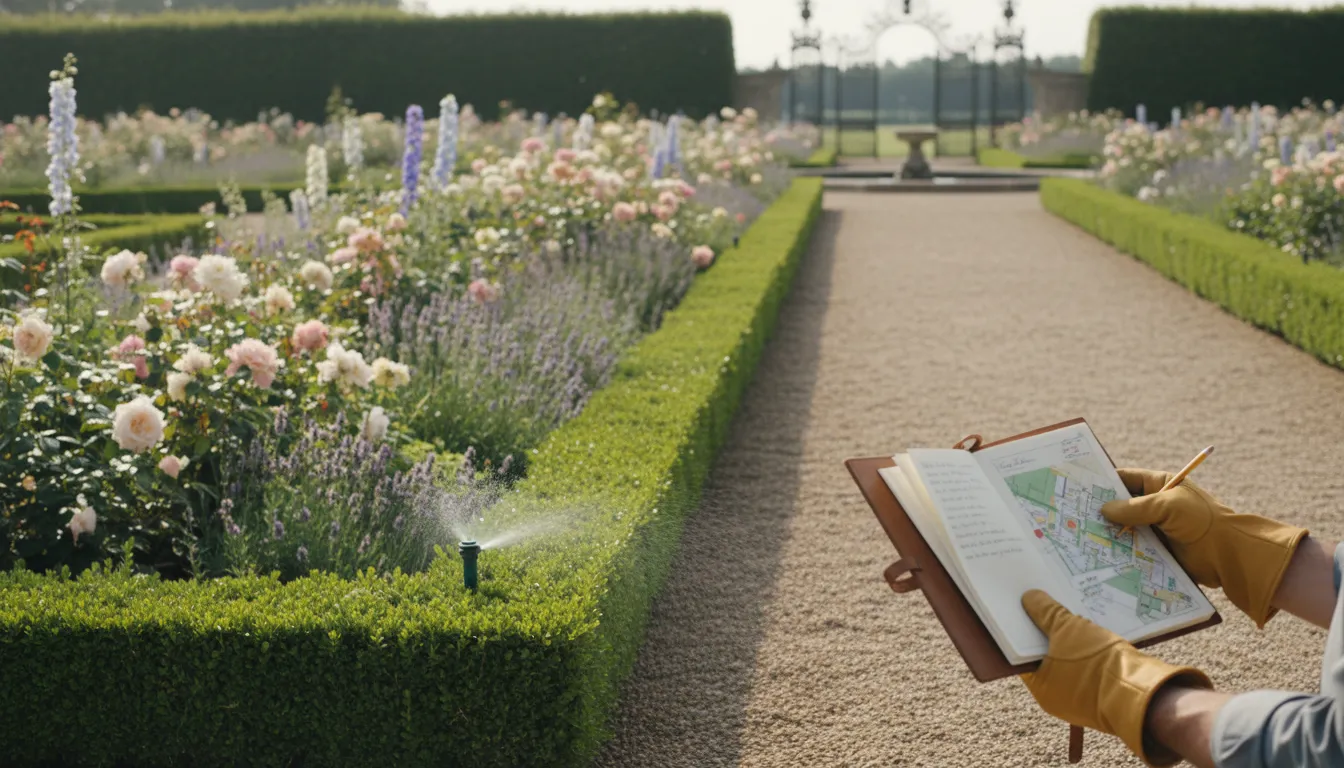
After departures or events, a brief reset list helps restore terraces, drives, lawns, and service areas. It also records wear, damaged plantings, or repair needs for follow-up before the next visit.
Storm readiness and observation
Observation notes create continuity across weeks and residences. A short log of weather effects, irrigation issues, and completed preparation gives the next shift useful context. After storms, staff can check cleared access, fallen branches, drainage concerns, and outdoor items when conditions are safe.
Seasonal planning also supports sound staffing decisions. It shows where regular coverage is needed and where added help may be needed before an arrival or a large outdoor gathering.
How should a groundskeeper coordinate outside vendors?
A groundskeeper should identify work that needs a specialist, route it through the estate’s approved process, and supervise access on site. The role includes clear records and discreet follow-through. It does not include approving new spend unless that authority has been assigned in writing.
Specialist needs and scope
Some work fits daily grounds stewardship, while other work calls for a qualified outside vendor. The groundskeeper can flag a failing irrigation zone, unsafe tree limb, hardscape repair, drainage fault, or pest concern. A concise report should state the location, observed issue, urgency, and the type of specialist needed.
Safety risks require early notice. Grounds equipment such as blowers, mowers, and trimmers may affect work windows and site activity. The estate team should plan equipment use and vendor service periods so exterior work remains orderly and aligned with household schedules.
Approved entry and discreet oversight
Once an authorized lead selects a vendor, the groundskeeper can prepare an efficient visit. The vendor should receive only the entry details, work zone, parking route, and site rules needed for that service. Private family areas, guest plans, staff schedules, and wider property details should remain outside the vendor brief.
On the day of service, the groundskeeper confirms identity, escorts access where required, and points out utilities or protected planting. The groundskeeper also keeps the outdoor work zone orderly. These routines matter when groundskeeper staffing for luxury estates includes regular contact with crews entering private grounds.
Work logs and approval limits
A practical vendor log records the date, vendor name, service area, arrival, departure, and work performed. It should also note open items and the visible condition after work. Photos may be routed through the estate’s privacy rules. This record helps the household leader assess whether a vendor finished the approved scope.
The groundskeeper can request a quote or report a needed repair, but should not promise payment or add work beyond direction received. On estates with several service partners, reporting lines should be clear. The person guiding hiring a private household manager may also define how vendor updates move through the household. Clear limits protect discretion, avoid repeated work, and keep property stewardship accountable.
Discretion and security-aware routines protect estate life
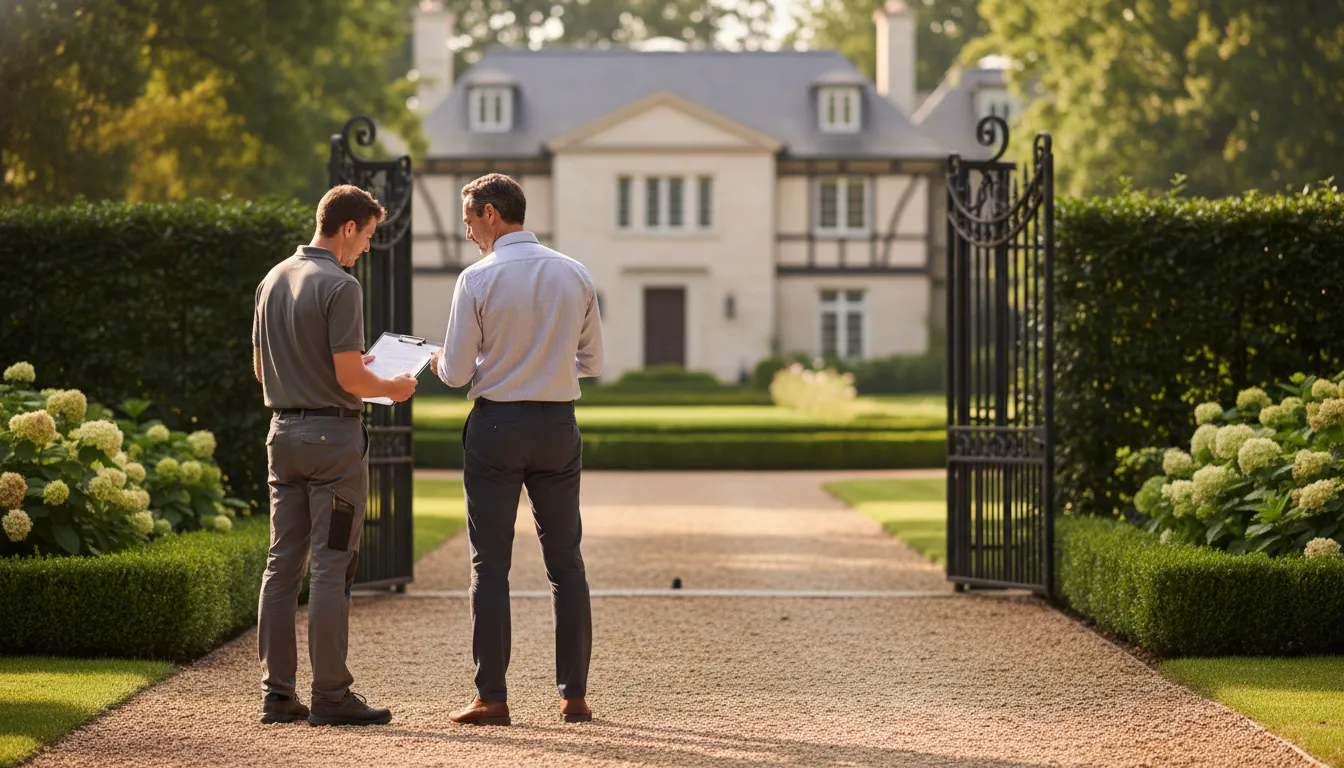
Discretion and clear security routines help a groundskeeper care for a luxury estate without disrupting private life. With groundskeeper staffing for luxury estates, the household should define where work happens, when it happens, and who may enter. These rules support steady care while keeping family schedules, guests, and private spaces out of routine work.
Approved work windows and routes
Set work windows around the household’s normal use of the grounds. Mowing near bedrooms, pool preparation, and deliveries may each need a set time. Special events may call for a different plan, shared only with the staff who need it.
Service routes should be clear from the first day. A groundskeeper may use a staff entrance, service drive, equipment area, and assigned restroom. This plan limits traffic near living areas and helps avoid chance encounters with residents or guests.
Access boundaries for staff and vendors
A groundskeeper needs access to the spaces required for the role, not open access to the estate. The household can list approved areas, storage points, gate procedures, and keys or codes issued for work. Any change should come from the estate manager or named household lead.
Outside vendors need the same clear limits. A tree crew, irrigation specialist, or delivery driver should enter through the approved route and remain in the work zone. The groundskeeper can meet them when assigned, but should not extend access without permission.
This boundary starts before hiring. A careful process to vet domestic staff for discretion helps the household confirm that privacy, access limits, and sound judgment are part of the role.
Reporting that protects privacy
Grounds staff often notice details while working outdoors. Reporting should stay tied to the property and to safety needs. A broken latch, damaged fence, failed light, water leak, or unknown vehicle near a service gate belongs in the reporting chain.
Personal observations do not belong in casual talk or vendor conversations. Staff should not discuss visitors, household routines, travel plans, events, or items seen through windows. If a concern affects security, it should go only to the named contact through the approved channel.
- Use approved gates, routes, storage areas, and work hours.
- Confirm vendor arrival and departure through the estate’s set process.
- Report property issues with facts and location details.
- Direct unexpected requests to the estate manager before acting.
Written protocols make discretion practical. They give a groundskeeper simple choices during routine care and unusual events. They also keep landscaping work aligned with the home’s security plan, without asking staff to guess what privacy requires.
How does a groundskeeper fit within the estate team?
A groundskeeper is the outdoor property steward within a private household team. The role usually reports to an estate manager, property manager, or designated household leader. That structure gives the family one clear view of standards, priorities, and issues across the residence. For broader oversight, a groundskeeper may also support luxury estate staffing needs through clear updates and discreet conduct.
Clear reporting lines
Groundskeeper staffing for luxury estates works best when responsibility is defined from the start. The groundskeeper needs a direct supervisor who sets service standards, approves work, and resolves changing priorities. On a staffed estate, this is often the estate manager. In a smaller household, it may be a principal or trusted household leader.
The reporting line should cover routine schedules, vendor access, seasonal projects, and urgent concerns. It should also define how outdoor issues are recorded and raised. A damaged gate, irrigation concern, or privacy risk can reach the right person without delay. This protects order while respecting the family’s need for privacy.
Coordination with household staff
The groundskeeper’s work affects more than gardens and lawns. Arrival routes, outdoor entertaining areas, play spaces, pool surrounds, and service entrances all connect to household plans. The groundskeeper should coordinate with the estate manager before events and guest arrivals. The same applies to construction visits or periods when the residence is not in use.
This coordination is practical, not intrusive. A housekeeper may need notice of muddy access points after storm work. A chef or household manager may need outdoor dining areas ready for service. Security staff may need to know when outside vendors will be on site. A professional groundskeeper reports through the agreed chain and avoids extra demands on the principals.
Visibility across residences
When a family owns more than one residence, grounds care must align with each property’s use and climate. One home may require daily presentation during a long stay. Another may need scheduled checks while it remains vacant. The groundskeeper may serve one main estate. The role may also coordinate local vendors and teams at other homes.
Family office visibility helps when grounds work involves budgets, major repairs, insurance records, or planned projects. The groundskeeper does not replace the estate manager or family office. Instead, the role supplies timely notes and accurate service records through the chosen reporting line. This keeps outdoor stewardship aligned with household standards, financial oversight, and privacy expectations.
How to evaluate groundskeeper staffing for luxury estates
Evaluate groundskeeper staffing for luxury estates by defining the property first. Then test each candidate against its routines, privacy needs, and team structure. The right search is not based on horticultural skill alone. It must account for access, judgment, equipment use, reporting, and daily work alongside other household staff.
A property-led brief
Start with a written brief that shows what the role must protect and maintain. Include acreage or zones, formal gardens, lawn areas, irrigation, outdoor entertaining spaces, vehicles or machinery, seasonal demands, and any multi-property travel. Note which duties are owned by vendors, an estate manager, or the new groundskeeper.
The brief should also map access and safety expectations. A candidate may work near gates, guest areas, family spaces, or security staff. Equipment should be part of the interview because groundskeepers may use noisy machinery. A study of groundskeeper noise exposure describes noise from blowers, mowers, and trimmers.
A disciplined interview sequence
Use the same sequence for each serious candidate. It gives the household a fair comparison and keeps attention on practical fit, rather than polished but vague answers.
- Define the assignment. Give the property brief and ask the candidate to explain priorities for the first month, peak season, and severe weather preparation.
- Test comparable experience. Ask for specific estates or grounds types they have managed, their direct duties, equipment used, and how standards were checked.
- Present discretion scenarios. Ask how they would respond to a guest question, a vendor arriving unannounced, or a private event changing the work schedule.
- Check communication habits. Ask for a sample daily update: completed work, concern found, vendor need, and any issue needing approval.
- Verify the record. Speak with references who observed attendance, care around private areas, equipment judgment, and working relationships over time.
Scenario answers should be calm, direct, and bounded by household policy. Listen for candidates who report a concern through the agreed channel instead of acting beyond their role. For a related privacy lens, include security-aware grounds routines when shaping interview prompts.
References and onboarding
References are most useful when checks match the estate brief. Ask what the person maintained and how they handled changing priorities. Ask whether they reported a repair need or outside vendor request early. Confirm who supervised their work, rather than relying on a general endorsement.
Once a candidate is selected, onboarding should turn expectations into routine. Cover reporting lines, approved access, key contacts, equipment rules, vendor coordination, event-day limits, and privacy practices. A written estate onboarding plan can help the household align a new groundskeeper with the wider staff team.
Frequently Asked Questions
What is the difference between a groundskeeper and a gardener for luxury estates?
A groundskeeper oversees outdoor property stewardship, maintenance schedules, equipment, and coordination with specialty landscape vendors. A gardener is usually focused more narrowly on planting, pruning, and horticultural detail. On a luxury estate, the groundskeeper may also align work windows with arrivals, events, access controls, and the estate manager’s operating standards.
What should be included in a groundskeeper job description for a luxury estate?
Include property zones, seasonal priorities, irrigation and equipment oversight, reporting lines, and expectations for coordinating approved vendors. State privacy, access, and arrival protocols clearly, since outdoor work can occur near entrances and private areas. The description should also define whether the role is hands-on, supervisory, or both, and identify any support needed across additional residences.
How do you find qualified groundskeeper staffing for estates?
Begin with a precise role brief covering acreage, gardens, seasonal demands, outside vendors, reporting lines, and privacy routines. Review relevant estate experience, references, communication style, and comfort working alongside an established team. A specialized placement firm can help define the brief and evaluate fit for a discreet private estate setting.
Do groundskeepers live on the estate?
Not always. Whether a groundskeeper lives on an estate depends on the property’s scale, geography, coverage needs, and privacy plan. A resident role may suit remote grounds or frequent weather monitoring. A scheduled nonresident role may better suit estates with established vendor coverage and clear service windows. The correct arrangement should define access boundaries, emergency contact procedures, and coordination with the wider estate team.
Ready to plan a discreet groundskeeper search?
Delaying a groundskeeper search can leave seasonal priorities, vendor coordination, and security-aware routines without consistent ownership. Without the right person in place, estate leaders may spend valuable time directing daily grounds details and correcting preventable gaps. Starting now creates time to define responsibilities, evaluate team fit, and prepare the property for its next operating season.
Ready to establish dependable grounds oversight?
Contact The Calendar Group to discuss a tailored groundskeeper search.
A focused conversation can clarify the property’s scope, expected routines, vendor relationships, and the qualities needed for successful household integration before seasonal demands increase.