


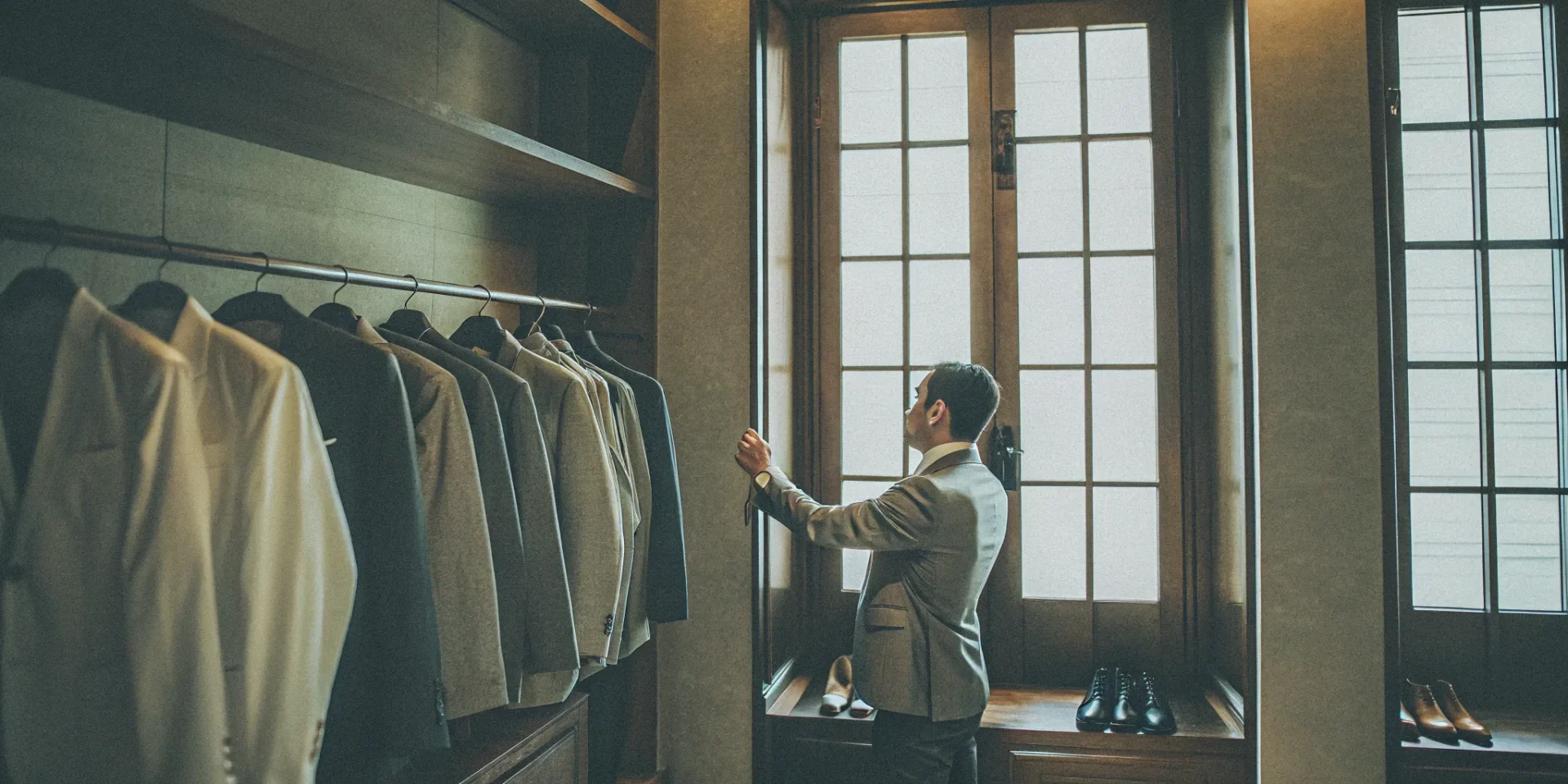
For a principal with demanding professional, social, and travel commitments, personal details cannot be left to chance. A skilled valet brings discipline to the wardrobe, grooming, packing, and daily preparations. These tasks keep the principal composed and ready, whether at home or abroad.
A personal valet is a private attendant dedicated to one principal’s wardrobe, grooming, travel coordination, and daily needs. The role combines discretion, fabric-care expertise, formal packing, and precise time management, with the valet anticipating practical requirements rather than waiting for each request.
The position has historical roots, but its modern value lies in highly personalized, proactive service. It is distinct from household management because the valet concentrates on the individual principal and works closely with the wider staff team. For context on how this role fits within a broader staffing structure, see our private household staff roles guide. The scope becomes clearer when the role is placed against its historical development and present-day household demands.
What Is a Personal Valet in a Modern Household?
A personal valet is a dedicated private attendant responsible for a principal’s wardrobe, grooming preparation, travel coordination, and daily personal requirements. The role is defined by proximity and precision. Rather than managing an estate or directing a household team, the valet focuses on one individual. The role requires a detailed understanding of that person’s standards, routines, preferences, and movements.
A role with a long history of personal service
The position has historical depth, but its purpose has always been personal service. The role originated in the Middle Ages. By the 19th century, a valet was generally understood as a personal servant responsible for grooming and dressing a wealthy man of high social position, according to the National Park Service. In English, the term “valet” meaning “personal man-servant” has been recorded since at least 1567.
That history provides useful context, but it does not define the modern role completely. Contemporary principals may expect wardrobe management across multiple residences, formal preparation for public engagements, careful packing for international travel, and discreet coordination with the wider household team. The work has evolved from laying out clothing to managing the personal details that allow a demanding day to proceed without friction.
How the role serves a modern principal
In an UHNW household, the valet protects the principal’s time and preserves consistency wherever the principal is located. Responsibilities may include maintaining and organizing clothing, preparing grooming items, coordinating travel details, and anticipating what will be required before an event, departure, or change in schedule. The standard is not simply completion. It is readiness without repeated direction.
This requires sound judgment, discretion, and a refined understanding of personal preferences. A valet may work closely with an estate manager, butler, chef, driver, or security team while remaining focused on the principal’s direct needs. The position is especially valuable for high-net-worth individuals, executives, and principals whose schedules span residences, business commitments, formal occasions, and frequent travel.
The modern valet is therefore neither a historical title preserved for appearance nor a general household role. It is a permanent, high-trust position built around personal knowledge, anticipatory service, and the disciplined management of the details closest to the principal’s daily life.
Valet vs Butler: Where the Roles Overlap and Diverge
The distinction is defined by scope. A butler manages the household and its staff, while a personal valet serves one principal directly, handling the private details that make the principal’s day run smoothly. Both roles require discretion, judgment, and a highly developed understanding of service. Their authority and daily focus are different.
| Consideration | Butler | Personal valet |
|---|---|---|
| Scope of duty | Oversees the operation of the residence, household standards, service delivery, and staff coordination. | Focuses on one employer’s wardrobe, grooming, travel, personal preferences, and daily requirements. |
| Hierarchy | Typically leads or coordinates the household team and communicates operational priorities across departments. | Works in close, direct proximity to the principal. In a large residence, the role may sit outside the primary butler or housekeeper supervisory structure. |
| Primary responsibilities | Household administration, staff supervision, entertaining, service standards, and coordination with the principal’s office or estate team. | Preparing clothing, maintaining the wardrobe, supporting grooming, packing, and coordinating personal travel details. |
| Skill focus | Leadership, household management, formal service, delegation, and operational judgment. | Wardrobe care, fabric knowledge, formal packing, personal timing, discretion, and an exact understanding of the principal’s habits. |
These roles can work closely together without becoming interchangeable. The butler may coordinate the wider household schedule and ensure that the principal’s requests reach the right people. The valet then executes the personal details within the principal’s sphere, often anticipating needs before they are stated.
In a substantial household, that direct relationship matters. Historical household records describe valets serving principals outside the central structure managed by the butler and housekeeper. A model that remains relevant when the principal requires dedicated personal coverage. The National Park Service’s account of household management at Hyde Park documents this distinction.
Put simply, a butler protects the functioning of the household. A personal valet protects the principal’s time, presentation, comfort, and readiness. The right role depends on whether the need is household-wide or concentrated around one individual.
Daily Wardrobe and Personal Support Responsibilities
A modern personal valet protects the principal’s time by managing the details that shape each day. The work is discreet, anticipatory, and highly personal. It includes preparing clothing, maintaining garments, coordinating grooming, and keeping the principal prepared for changing commitments without adding friction to the household.
Wardrobe care requires technical judgment
Wardrobe management extends well beyond selecting an outfit. A skilled valet understands fabric behavior, care requirements, pressing techniques, and the standards expected of bespoke and luxury garments. Clothing is inspected, organized, maintained, and returned ready to wear. Delicate pieces may require specialized handling, while formal clothing must be pressed and arranged with precision.
The valet also maintains an accurate view of what is available, what requires repair, and what may be needed for upcoming engagements. This prevents last-minute disruption and supports a consistent personal standard across residences and travel destinations. These personal valet responsibilities complement the wider household operation without becoming household administration.
Grooming preparation is quiet, exacting work
Personal grooming support is tailored to the principal’s established preferences. A valet may prepare shaving or grooming items, coordinate appointments, lay out attire, and ensure that the sequence of the morning is considered in advance. The role calls for discretion and close observation. The valet should know what the principal prefers without requiring repeated instruction, while preserving privacy and personal boundaries.
Q: What does a personal valet do with the principal’s wardrobe each day?
A: The valet organizes clothing, checks garments for wear or required care, manages pressing and maintenance, and prepares complete attire for the day’s commitments. For travel, the valet applies formal packing techniques so clothing remains organized, protected, and ready to wear on arrival.
Q: How does a valet manage a principal’s schedule?
A: The valet plans personal preparation around the principal’s schedule, allowing sufficient time for grooming, dressing, departures, and changes between commitments. The objective is not to manage the household calendar, but to ensure the principal is prepared and moving through the day with minimal interruption.
Fabric care expertise, formal packing, and exceptional time management are core requirements for the role. Together, they allow the valet to handle attire, grooming, and daily preparation proactively and professionally. Whether the principal is at home, attending a formal engagement, or preparing to leave for travel.
Travel Support and International Duties of a Personal Valet
Travel coordination and meticulous packing are primary responsibilities for a professional personal valet. The work begins before departure, with a close reading of the itinerary, the principal’s schedule, and the demands of each destination. The valet translates that information into a practical travel plan, ensuring the right clothing, accessories, grooming items, and personal necessities are ready when they are needed.
How does a valet prepare for international travel?
Preparation involves more than placing garments in luggage. A valet reviews the climate, the length of the stay, the formality of each engagement, and any transitions between locations. A single trip may require business attire, formal eveningwear, resort clothing, outerwear, and suitable footwear. Each item must be selected for the schedule, checked for condition, and packed so it can be retrieved without disrupting the rest of the wardrobe.
Formal packing requires an understanding of fabric care, garment construction, and presentation. Delicate pieces need appropriate protection. Shoes, accessories, and grooming supplies must be organized with the same discipline. The objective is simple: the principal should be able to arrive, unpack, and dress without discovering that an essential item is missing, creased, or unsuitable for the setting.
What happens when the itinerary changes?
International travel rarely follows a static plan. A valet coordinates wardrobe changes as meetings, dinners, events, and additional destinations are added. When the principal moves between climates, the valet adjusts the clothing plan rather than treating each suitcase as a separate task. Items can be rotated, prepared for onward travel, or arranged for professional care while the principal is away.
Luggage logistics are equally important. The valet tracks what is traveling with the principal, what remains at a residence, and what must be sent ahead. On arrival, clothing and personal items are unpacked, organized, and made ready for immediate use. This continuity matters when the principal moves between homes, hotels, yachts, or private aviation arrangements.
Travel support is one part of the broader structure of private household staff roles. A personal valet works in close coordination with the wider household team while maintaining direct responsibility for the principal’s personal readiness. The standard is proactive service: anticipate the next requirement, resolve practical details discreetly. And ensure the principal can focus on the purpose of the trip rather than its logistics.
What to Look for When Hiring a Personal Valet
Hiring a personal valet requires more than reviewing wardrobe expertise or a polished employment history. The role places one professional in close, continuous proximity to the principal. Discretion, judgment, and genuine compatibility determine whether that relationship supports the household or creates friction.
Discretion is the first qualification
A strong candidate understands that privacy is part of the service, not an optional courtesy. The valet may know the principal’s routines, preferences, travel plans, wardrobe, and personal circumstances. Look for someone who communicates with restraint, protects confidential information, and remains composed around family members, guests, and other household staff. References should address trustworthiness and judgment, not simply technical performance.
Relevant private household experience matters
Prior experience in a private household, particularly an UHNW environment, gives a candidate context that cannot be learned from a checklist. The right professional understands formal wardrobe care, packing standards, grooming preparation, and the pace of a principal’s changing schedule. Depending on the principal’s needs, the position may also include practical support with movement or other daily tasks. Those responsibilities require maturity, tact, and clear personal boundaries.
Look for independent judgment and natural chemistry
A valet must anticipate needs without becoming intrusive. That means noticing when a garment needs attention, preparing for an early departure, or adjusting plans when the principal’s day changes. The professional should work independently and coordinate smoothly with the broader household while operating outside the standard household hierarchy when direct service requires it.
Chemistry is decisive. The principal and valet need compatible expectations around communication, pace, formality, and personal space. The Calendar Group, founded in 2002, serves high-net-worth individuals, executives, and principals through chemistry-based matching. Its placement process considers the human fit alongside experience. For a more structured overview of hiring a personal valet, review the private household staffing selection guide.
Frequently Asked Questions
What is a personal valet?
A personal valet is a dedicated private attendant who manages one principal’s wardrobe, grooming preparation, travel coordination, and related daily needs. The role is centered on discreet, highly personalized service rather than administration of the wider household.
What are the main duties of a personal valet?
Core duties include maintaining and organizing clothing, preparing attire, coordinating grooming needs, packing for travel, and keeping personal routines on track. A strong valet works proactively, understanding the principal’s preferences and preparing details before they are requested.
What is the difference between a butler and a personal valet?
A butler oversees the household’s operation and staff, while a personal valet focuses on the specialized needs of one principal. In a larger residence, the valet may serve the principal directly while coordinating appropriately with the household leadership team.
Does a personal valet travel with the principal?
Often, particularly when the principal travels frequently or requires consistent wardrobe and personal support across locations. Travel work can include itinerary coordination, meticulous packing, luggage logistics, and ensuring clothing is organized and ready to wear on arrival.
Who typically hires a personal valet?
Personal valets are typically engaged by high-net-worth individuals, executives, and principals who require dedicated support for wardrobe, grooming, travel, and personal organization. The right appointment depends on the principal’s routines, travel demands, household structure, and expectations for discretion.
Ready to Discuss a Personal Valet Placement?
A well-matched personal valet brings consistency to wardrobe care, travel preparation, and the daily details that support a principal’s routine. The right placement begins with a clear understanding of the household, the role, and the standard of service expected. Contact The Calendar Group to discuss your requirements and next steps. You can call (646) 328-9334 for a personal valet placement consultation.